Posts Tagged ‘award-winning writing’

Build Your Author Brand

August 8, 2013


It Takes Effort to Build an Author Brand

Many authors mistakenly assume building a personal brand either comes naturally (of course my fans will know me through my work), or that it’s simply unnecessary.

I have to admit those thoughts went through my own mind when I started this journey. It was very much like believing “Build it and they will come.” Which, as we all know, only happens in movies.

Sadly, I should’ve known better that both of those assumptions were false. For people to follow you and your work, they need to know who you are, what you write and what you stand for.

Branding certainly accomplishes this, but branding requires a good deal of effort and attention.

I can almost hear you say “But I’m an author, not a commodity. Why should I have to do it?”

Many years working in public relations and marketing taught me an important truth: an effective brand image gives you an edge in successfully selling your product … and as a writer you and your books are both a commodity.

As an indie author I can also tell you, building your brand is entirely on your own shoulders, ’cause ain’t nobody gonna do it but you.

Your Brand is Your Promise to Your Audience
What exactly does “branding” mean? We all have a personal brand, whether we know it or not. In one way or another an author is always being judged and evaluated. Particularly an indie.

To be effective, you need to control the face you show the world.

It’s your brand that tells people what they can expect from your work. But your brand stems not only from who you are and what you write, but how you’re perceived, and it should also be how you want to be known. In a marketing sense, branding is actually the process of selling yourself.

Your writing will ultimately stand on its own.

However, it’s by the conscientious building of your brand that you make it easier for your book to attract a “tribe” of readers that identify with it. And that’s the important thing: building that loyal tribe of followers.

How do you do it? Marketing guru Seth Godin describes how the landscape has changed from the old ‘mass marketing’ model many of us grew up with (me included).

Discover Your Brand Personality
The first step in building your brand is taking the time to define and articulate (at least to yourself) both how you’re alike and why you’re different from other authors. Believe me, it’s damned hard to do. It requires self-analysis and introspection.

You start by doing some research. Check out the sites of authors, bloggers, designers and other creative types. What attracts you? What turns you off? Then start brainstorming, focusing on your strengths, passions and goals.

What do you like to write? What ideas and feelings do you want people to associate with you? What mood or immediate impression do you want to evoke? Stephen King is known primarily for one genre of writing, as are J.K. Rowling and John Grisham.

You can probably articulate in very few words how all these (and other) successful authors are identified.

That’s a brand.
Wait, there’s more!

A Way to Get Word-of-Mouth Publicity?

July 30, 2013

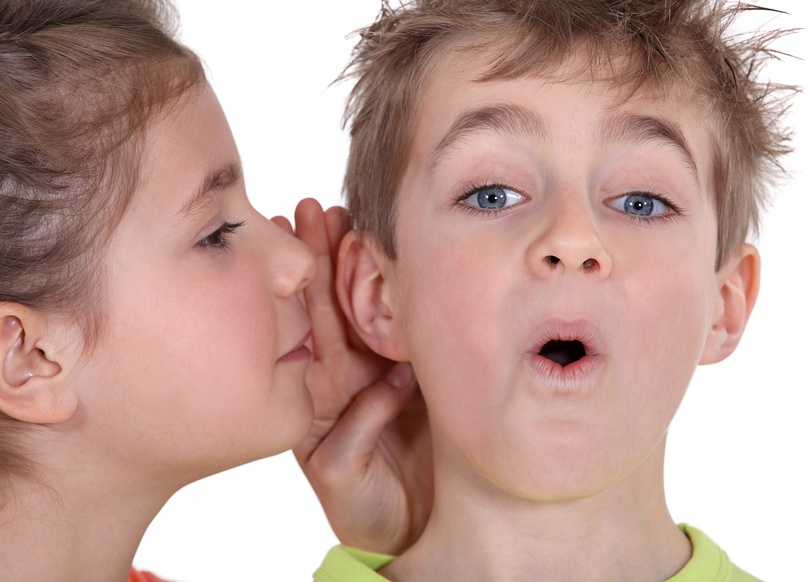
little-girl-telling-brother
Word-of-Mouth Publicity: The Best Kind

Libraries Are Excellent Publicity Resources
I don’t imagine I’m much different from other indie authors … always on the lookout for publicity opportunities. If we hope to sell our books, we have to be.

There’s so much media competition out there for a readers time these days an independent author really needs to be vigilant in the search for ideas that will generate a lot of good word-of-mouth comments.

We do it constantly. At least I do. Just ask my long-suffering bride.

That’s why indie authors shouldn’t overlook that book-publicity heaven in their own neighborhood: the local library.

It may seem counter-intuitive to think about lending your book when what you’re really trying to do is sell it, but in the beginning it’s the publicity you’re after. Your book needs to be noticed and talked about before people will want to buy it.

Unless, of course, you’re Stephen King, who could probably sell his grocery list to tens of thousands just by putting his name on it.

How To Get Your Story Into That Book Nirvana
If you’re not Mr. King and you’ve finally published your work, call or email your library to let them know you’re a local independent author and want to donate your book to their lending library (offer at least two copies).

They might not salivate at the offer as if you were Stephen, which could be a blow to fragile egos, but I guarantee they’ll listen.

Better yet … show up in person. You can’t say too much about the power of personal contact. Be sure to ask for the person in charge of acquisitions or circulation (the contact person’s title may vary from one library to another).

Any book they accept will typically remain on a shelf as long as they have available space and the book remains in good condition.

Offer your library contact a signed copy with a request for them to review it, either on one of the local online book retailers where it’s sold (don’t be afraid to ask them to), or on the library’s own web page.

Some libraries actually post a list of what the librarians themselves are reading, which is often a key resource for patrons looking for new book recommendations.

Wait, there’s more!

What’s the Best Kind of Book Publicity?

July 12, 2013

success_cropped
How Do You Spell Book Publicity Success?

One of my new favorite bloggers, Guy Bergstrom, has some witty insights about generating publicity for film, music or books — and one of his blogs speaks directly about some of the things I’ve talked about here before — the supposed “secrets” of getting your self-published book noticed.

Actually, many of Guy’s blogs do that, so do yourself a favor and head over there, using the link I provided above, and just browse a while. You won’t be disappointed.

Of course, I naturally recommend you visit after you’re done reading and commenting here. (Guy follows this blog, and I hope he’ll forgive me for asking you to wait but, hey, I’ve got things to say, too).

If you’re an indie author, I’m sure you’ve discovered marketing is the hardest part of your literary creation’s World Conquest.

Once you’ve covered all your siblings, cousins, friends and neighbors with “The Word” about your new book, how do you reach the other 7,164,485,136 people on this shiny blue pebble?

In truth, you don’t have to. You’d probably be deliriously happy with only two percent of those. I know I would. That’s still almost 150 million people … and if just one percent of those actually bought a book it wouldn’t cause J.K. Rowling to lose any sleep, but you’d be very comfortable.

The Best Publicity
Which brings me back to The Big Question. How do you reach that interested one percent of two percent audience, meaning an audience willing to part with a couple of nickels to buy your book?

“The Twitter” as Guy calls it, doesn’t sell any books. It isn’t meant to.

It’s a site for meeting people and you’re bound to find a lot of other friendly creative writer types who’ll be nice to you … as they Tweet to sell you their own book.

But the best way to use Twitter — or any other “social media” for that matter — is, as I’ve said before, to create and share meaningful dialogue with those friendlies, not to harangue people with a “BUY!” message. That only gets you “unfollowed” in a hurry.

Earned Media
The best route to publicity, short of marrying whatever star / starlet is prominently undressed in the latest apocalypse movie, rescuing the Pope from terrorists, curing cancer, or crossing the Grand Canyon on a tightrope — which wouldn’t work anymore anyway since Nik Wallenda already did it — is with earned media.

Earned media is media you don’t buy, but earn the hard way.

PR is an example of earned media. Word of mouth is another. The good thing about it, other than it works … it’s free.

publishers weekly photo small

I followed some of Guy’s advice and got a mention for my award-winning novel REICHOLD STREET in Publishers Weekly. I’ve also been interviewed for an article in the local paper. I was prepared, because I’d already completed something else I mentioned that you, as an indie writer, need to have … a dedicated media page.

I know, I know, it’s not the NY Times Review of Books … but it’s a start. And — except for a little bit of my time — it’s free.

A FREE Guide
Speaking of free — you might want to visit the link on the right-hand column of this page, and subscribe for your FREE copy of my booklet “Creating Believable Characters.” I created it specifically to aid other indie writers … and at least the price is right.

Now — after you leave a comment — it’s OK to visit Guy’s page. Just let him know I sent you.