The Stranger

March 19, 2010


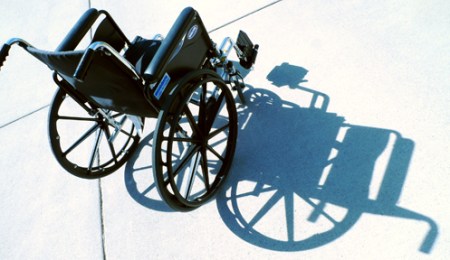
“The Chair” © R.L. Herron

“A stranger is just a friend you haven’t met yet.”   ~ Will Rogers

I haven’t written now in a month. My wife and I were busy being entertained by our two lovely grandchildren. Our flight down to visit them was made memorable by an old woman we had never met before. I was reminded of the subtle truth in that phrase attributed to Will Rogers.

The old woman was in the window seat in the row ahead of us, directly in front of my wife. She was tiny, white-haired, frail and bent, and obviously in a great deal of distress.

She kept wringing her hands and ceaselessly wailing, “I shouldn’t be here!  This isn’t right! I’m in the wrong place!”

Naturally, she garnered a great deal of attention, most of it in stares that said please don’t tell me she’s going to do that the whole trip.

The steward checked her boarding pass and, except for being in the wrong seat, she was on the correct flight for her destination. He checked the picture and phone number she had on a card around her neck and tried to assure her she was all right, but still she wailed.

“Let me off!  I have to get off at Wayne!” She kept up this mantra as the plane filled and then took off.

Now, my wife is a kind and empathetic soul. She kept trying soothe the old woman in front of her. She patted the old woman’s shoulder and promised her everything was all right. In fact, she made us both promise to stay with her until she met whomever was supposed to receive her at our destination.

But the old woman grew ever more agitated after take-off and the poor steward was noticeably at wit’s end. My wife suddenly stood up and told me, “I’m going to sit in that empty seat beside her.”

And she did.

For the remainder of the three hour flight my wife sat there. She talked softly to the old woman and held her hand. The old woman was still upset, but no longer wailing and terrified. The steward offered my wife “coffee, tea, anything at all” he was so grateful. The rest of the plane seemed not to notice.

When we landed, we stayed on the plane with the old woman until everyone else had departed and a steward arrived with a wheelchair to assist her.

We wanted to head off on our own, but the old woman would not let go of my wife’s hand. So, we walked alongside her as the steward pushed the wheelchair. Another woman who had been on the plane with us said, “You know she was in the wrong seat, don’t you?” I nodded, and she continued, “It must have been so she could be near you. Your wife’s her guardian angel.”

We walked with the old woman until we met her son. The steward left. He looked relieved. She asked my wife to please stay with her. My wife softly told her she couldn’t, but it was OK now. We had helped her find her son, now we had to find ours.

“I don’t know what I would have done without a friend like you,” the old woman said. “Thank you.”

It was then the Will Rogers quote popped into my head. I’ve always known my wife is a lovely, generous woman, with a big heart. I am very proud of her. That day she was indeed an angel and, in the truest sense, a friend.


Ties That Bind

February 12, 2010


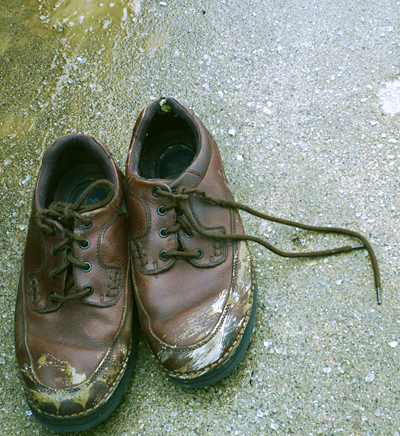
“Old Shoes” © R.L. Herron

Thursday night was bitterly cold. Henry shuffled into the warming center about eight o’clock. He was drunk, just as he was every week, and wearing every dirty bit of clothing he owned.  

No one knew if he had any family. On the rare occasions he was sober, he wouldn’t talk about them. In his usual condition, he couldn’t talk at all, at least not in understandable sentences.

But he came to the shelter regularly on Thursday night, to get whatever passed for a hot meal. I suspect it was one of the few warm meals he got all week.

It was never much.

There wasn’t enough funding to adequately prepare for fifty or sixty men, but we heated whatever we had and served it to them, trying to give back some measure of the dignity their status in life had stripped away.  

Like the others, Henry received a thin, clean blanket to use for the night. There were no cots, just plenty of floor space. Men might have to curl up under a table and sleep on the floor, but at least they didn’t have to huddle outside in a cold doorway.  

Henry’s name wasn’t really Henry, but that was what he wanted to be called this week, and we always humored him. No one was sure of his true identity. For the previous two weeks he had insisted he was Italian. Last week he had been Gino, and the week before that Luigi. It was always changing.

Last month his name was Okande Williams, which might be closer to the truth. A slight black man, about as passive a soul as any of us are ever likely to meet, he might have been forty-five. But years of living on the street had made him so worn, thin and dirty he looked much older.

When they opened the doors he stumbled in, tripping over shadows as he made his way to his favorite spot. He had been coming to the shelter long enough to know there was a heat duct opening into the room on the other side of the wall. Because the duct wasn’t visible on this side of wall, he could stay warm without having to fight for such a valuable space.

He didn’t stop at the kitchen to pick up the grilled cheese sandwich and bowl of tomato soup that was the evening’s meager fare. He was too drunk. He just shuffled past and waved dismissively when someone shouted “Hey, Gino, where ya going?” We had to tell them he’s Henry this week, but he didn’t stop for that name either.

One of the other guests for the evening called out to him, “Hey, Henry! Or whoever you are, better tie those shoes, man, or you gonna trip!”

Henry stopped and looked down at his feet and his dirty, mismatched shoes. Putting a hand on the wall for balance, he bent slowly forward from the waist and reached unsteadily for his laces. I didn’t see him fall, but I heard the loud thwack.

Henry lay face down on the cement floor, bleeding from his mouth and nose. One of his teeth was beside him in a pool of blood. The room erupted in a pulse of noise and then grew silent.

One of the shelter caregivers called for emergency assistance and within minutes there were flashing lights outside. The EMS crew brought in a gurney, but Henry refused to be taken to the hospital.

They gave him a swab to staunch the bleeding and left, shaking their heads. There was nothing more they could do, and Henry wasn’t in any pain. Yet. The next morning would certainly be different, but for now he was quiet. Henry had passed out in an alcoholic haze.

It was then I noticed one of the other guests propping his own blanket under Henry’s head. Another found a bucket and mop to clean the floor. A third man tucked a cheese sandwich, wrapped in a plastic baggie, into Henry’s pocket. One of the women from the kitchen came out and thanked all of them.

A fourth man, bending over Henry and gently lacing his shoes, looked up at her. “We all tied together ma’am,” he said. “Whether we likes it or not, we all tied together.”

————————

This is taken from a real life incident. My wife and I occasionally volunteer in a warming center shelter that feeds some of the unfortunate, homeless souls in the area. On cold winter evenings, it also offers a warm place to stay for the night. It’s not in a very “nice” neighborhood, and a lot of folks wouldn’t consider going anywhere near it … but that’s where the need is.

Doorways

February 5, 2010


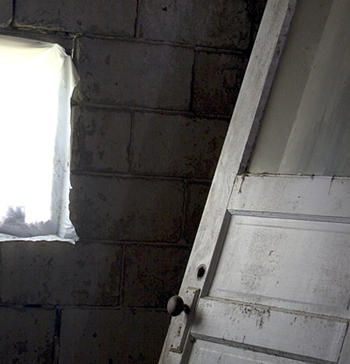
“The Old Door” © R.L. Herron

When I started this blog it was to talk about my writing and my photography and my views on those art forms as a means of social comment. I present an image with every post, and I’ve talked about a lot of things since I began.

Lately, I’ve been thinking about the substantial changes in the advertising and marketing world. I grew up in that world and, not that long ago, marketing revolved around a mix of print and broadcast media.

However, the arrival of the Internet started a profound change. At first, everyone scrambled to build web sites, often without really understanding what they would do with them.

Not many asked themselves the fundamental question: Why?  A “presence” on the unique new venue was all that mattered.

Today, the exploding universe of social media has become a tool. The various online sites in existence (Facebook, Twitter, YouTube, MySpace, et al) are no longer venues belonging only to the young. People who still believe that are far behind the times.

Even the world’s largest marketer, Proctor & Gamble, has opened a California office primarily to develop its Facebook presence. But they haven’t abandoned traditional media.

P&G is learning how to balance the new technologies in their promotional mix to ensure the messages of their many brands are positioned to best advantage. Smart marketing.

Creating a place for people to come for information is good thing. But, in a setting of social media, the success of those messages depends on the perceived sincerity of the messenger. We’ve all seen those “try me” or “buy here” Tweets and blogs that hug the border of spam … and get treated that way.

Posts on a social media venue, such as this blog, are more of a one-on-one contact. People follow because of personal credibility, whether real or imagined. Posts that are hard-sell, or measured only for lead generation, don’t really communicate in such a setting, or open any doors.

Like the old door in the picture above, they become one-way portals that do little more than sit in a dark corner gathering dust, without establishing a relationship or cutting through any noise when it counts.