Archive for the ‘Writers Block’ Category

Why Do I Have to Write Today?

March 5, 2015

mountain climb

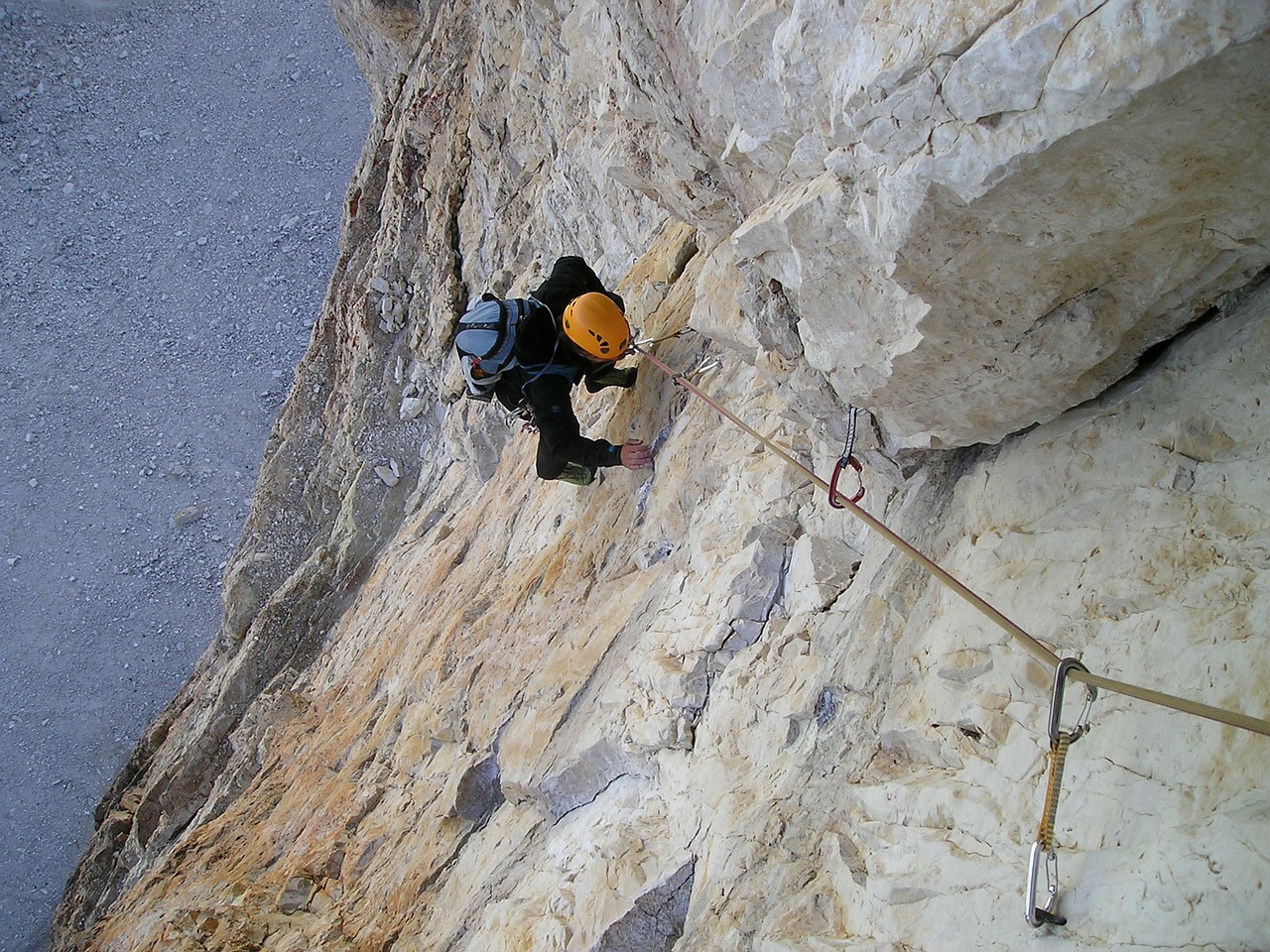
It never seems to fail. Just when I think things are going well, the ideas stop. My thousand-words-a-day mantra becomes Why do I have to write today? Even the podcast I’m working on has stalled. It feels like I’m climbing a mountain.

Writer’s block again.

I’m 32,000 words into my next novel, Street Light … the final book in my trilogy … and once again I’m stumped.

Where are these characters going?

At the moment, I can’t answer that. I know where I want them to end up, but how are they going to get there?

I also have the questions for my podcast so many Gentle Readers submitted about the craft of writing, and I know how I’m going to answer them. But I can’t seem to get started.

The Creative Spark
I’ve read a lot of advice about how to spark creativity … and I’ve written about it here.

However, everyone’s creativity takes a different form, so advice that works varies from person to person. Creativity often involves play, digression, experimentation and failed attempts.

It doesn’t always look productive.

I’ve discovered that creativity can be a strange, elusive creature. Sometimes it’s a river flowing so fast I can’t keep up with it. At other times it feels like the river’s caked and parched, all dried up with life-giving water nowhere to be found.

That’s when I take time to explore, try to meet new people (or old friends I haven’t seen in a long time, like I did last week), or read a book by an author I enjoy. Sometimes I just listen to music I like (for me, that’s Bob Seger or Creedence, thank you).

If you’re anything like me, you’re often set on a specific way of doing things and that’s not always good for creativity. Creativity is all about those new, unexplored ideas … and you can’t explore new ideas if your mind is closed by impossibilities.

I find doing something just a little different can set off a creative spark and generate fresh ideas I hadn’t thought about before.

Follow My Interests
Instead of focusing on what I “ought” to be doing, I allow myself to wander. Sometimes by buying an odd book, poking around the internet, or exploring an unusual place.

I’ve always been an avid reader. Some authors claim they can’t read while they’re writing, but I don’t try to curb my reading impulses. Right now I’m discovering everything that new friend Brad Meltzer has ever written about political intrigue. I find good writing is inspiring, all by itself.

I’ve found, too, that reading their stories aloud to my grandchildren (or having them read to me) inspires me, sets a good example and just might inspire them, too … which is a very good thing.
Click to read more

Are You Editing While You Write?

April 9, 2014

Write-Edit

If you find it difficult to get your ideas onto paper quickly when you write, perhaps you’re editing while you do it.

When I started writing … way back in high school, when pterodactyls still flew … I thought my best stories developed when I simply sat down and wrote, as fast as I could put words down. I even sold one of those early efforts, which was one of the most exciting things to happen to me until I met my future wife.

The nervous practice of producing a sentence, and then going back immediately to edit it, began to happen as I got more serious about the craft.

The funny thing is, when I started doing that … the editing as I wrote thing … my writing got worse (I’ve long since deep-sixed every one of those stories).

It took me a couple of years to understand why editing-while-writing is so destructive and stop it, although … all these years later … I still slip-up from time-to-time (like my recent return to that unsightly area known as “writer’s block”).

The Creative Brain
The reason we do it relates to the way we’re built. We all have two-sided brains: a creative brain and a critical brain. I once read an author who advised thinking of them like siblings … ones that don’t get along very well.

The critical brain is diligent and well-organized but it’s not so great at writing. The creative brain has marvelous ideas, but it’s the less assertive of the two … prone to hiding under the bed whenever the critical brain looks as though it’s about to throw a punch.

Immediately editing your work puts the critical brain in charge … and your creative writing will suffer.

Perhaps you’ve done that, too? If so, I advise you to take a hard look at your own writing and break the instant-editing habit as quickly as possible.

Keep Your Critical Brain At Bay
One of the tricks that works for me: I write at a furious pace, slowed only by the bothersome “instant spell-check” function of my laptop.

Then at the end of every writing session I spend a moment (and I mean it, just a MOMENT), writing out directions about what I want to accomplish in the next part of the story. A few words will do … never more than a short sentence.

The next time I sit down to write, I start work from that thought, so I can’t be lured into editing my prior work before I finish writing the whole thing. That’s the plan anyway. As you know (because I told you), I sometimes forget to follow my own advice.

Monitor Your “Self-Talk”
If you’re like everyone else in the world (including me), while you’re writing you’re probably saying things like: “This is just too boring.” Admit it, we all do it.

Whether we actually speak the words out loud, we all talk to ourselves … usually in the negative. The trick is to be conscious of it and tell yourself, “I’m writing right now. I’ll deal with these concerns when I’m editing.” And then do exactly that.

If you’re not conscious of your own self-talk then please go looking for it over your next few writing days… and then promise yourself to learn to keep it quiet.

Write Yourself Notes
Like I mentioned in in the previous note, when I’m writing my first draft I frequently feel something isn’t quite right about the words I just put down.

However, instead of letting myself constantly stop and try to fix them (most of the time, anyway), I skip a space on the page and write REVISIT in all caps … and go on.

This sort of “promissory note” puts my critical brain at ease by acting as a promise that I won’t forget to address something I initially identified as a problem (and sometimes on revisiting the section when I edit, the problem is no longer there).

Reward Yourself
Reward yourself for not editing while you write. In time, the reward of writing quickly will be prize enough.

For now, however, lavish yourself with other incentives: magazines or books you enjoy, music, tea, coffee, lunch at your favorite bistro, a glass of your favorite wine … or maybe time with the loved ones you sometimes neglect while immersed in your fiction.

Now you might wonder “Who is this Herron character, anyway? Why should I listen to anything he has to say?”

My response is to say it isn’t just me saying it. If you search for it, you’ll find nearly every successful novelist and writer has similar admonitions about the craft. All I’m doing is passing them on.

Good Advice
Stephen King, one of my all-time favorite authors, has several quotes worth remembering in his phenomenal book “On Writing: A Memoir of the Craft.” If you’re an author and haven’t read it yet, I sincerely urge you to get a copy and read it before you continue your next story (don’t worry, it’s a serious work, with no evil clowns or rabid dogs).

    “In many cases when a reader puts a story aside because it ‘got boring,’ the boredom arose because the writer grew enchanted with his powers of description and lost sight of his priority, which is to keep the ball rolling.”

    “When you write a story, you’re telling yourself the story,” he said. “When you rewrite, your main job is taking out all the things that are not the story.”

    “I believe the first draft of a book — even a long one — should take no more than three months. Any longer and — for me, at least — the story begins to take on an odd foreign feel, like a dispatch from the Romanian Department of Public Affairs, or something broadcast on high-band shortwave during a period of severe sunspot activity.”

    “When you write a book, you spend day after day scanning and identifying the trees. When you’re done, you have to step back and look at the forest.”

Remember, to get your ideas out you should always write as quickly as possible. Let the ideas from your creative brain flow.

Just be sure to edit later, as slowly and carefully as you can.

==========

You can find my books on Amazon. You’re also invited to visit my web site, BROKEN GLASS, or like my Facebook page. You can also follow my shorter ramblings on Twitter.

How Do You Defeat the Self-Doubt Monster?

March 3, 2014

generic troll dollFor Writers, Self Doubt is Always Around

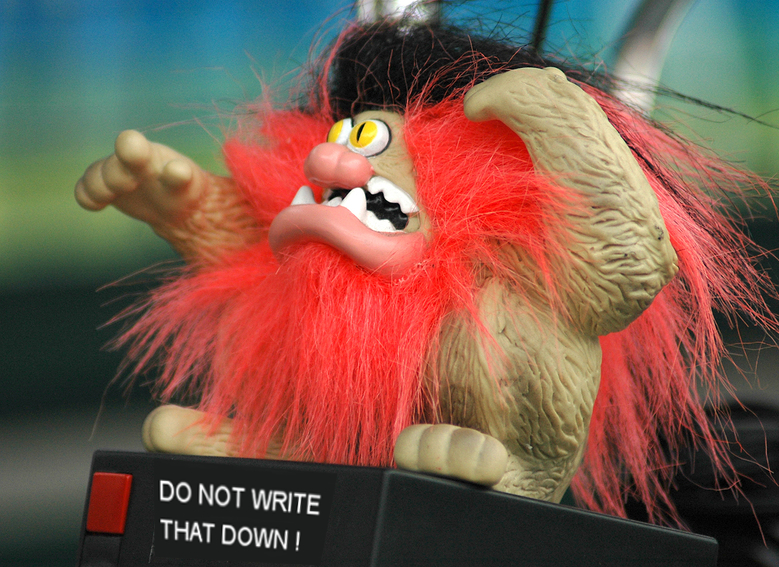
There’s a monster hiding under my kitchen table. He lurks there, waiting for the right moment to attack, because that’s where I park my laptop most days to write. If you’ll pardon me saying so, he’s an ugly little bastard, too.

I have quite a few names for him, most of them considered unmentionable in mixed company, but in this blog, I’ll call him by his real name … Self-Doubt.

You might think, after more than four decades of work in high-profile, demanding jobs … and winning book awards I once only dreamed about winning … that I’d have managed to kill the blasted thing by now.

But you’d be wrong.

The sneaky little devil keeps popping up. It’s why my REICHOLD STREET sequel is stuck at 49,000 words.

Self-doubt is something most writers face from the first day they start writing, and the inability to fight it prevents most would-be writers from becoming published authors.

You see, the ugly little troll doesn’t care what you accomplish. All he wants is another tasty bite out of your confidence.

He’ll tell you whatever you’ve written so far in that new manuscript is crap. He’ll whisper in your ear that you’re wasting your time … that cleaning the grout in your bathroom tile (like your wife asked you to do weeks ago) is much more important.

Sometimes he even possesses your family and friends. You’ll know when he does, because they’ll say things like, “How long are you going to put yourself though all this before you find something else to do with your time?”

He can make you believe the one negative review you received out of a batch of twenty really good ones is the only one you should listen to. And if you let him, he’ll not only slow you down, he’ll rob you of the passion you feel for writing.

So how do we slay the ugly little so-and-so, or at least keep him at bay? Below are five tips to keep self-doubt from chewing on your sanity.

Stay Out of Ruts
If you’re not feeling any passion for your writing, try spicing things up by doing something different. Try writing in a new genre, or from a different point of view. Nothing can get you out of a rut quicker than feeling challenged.

Be Aware of Peer Pressure
I preached this to my kids while they were growing up, but it’s easy to forget that the bad habits of the people we hang out with are as contagious as a stomach virus. If you’re around people who’ve lost their ability to chase their dreams, you’re at risk of becoming just like them. Be strong.

Continue Learning
You can keep the gremlin from nagging that you don’t know what you’re doing by growing continually as a writer. Read the books of other writers, a lot of them; take classes; attend conferences; and go to those local writer-group meetings to listen to what other writers offer as advice. Then read some more.

Mentor Someone
Nothing can inspire you more than helping and encouraging another person (it’s one of the reasons I started this blog). Telling others they have to believe in themselves is a sure way to rekindle your own self-confidence.

Accept You’re Going to Fail Sometimes
I hate to tell you this … you’re going to make mistakes. We all do. And if you’re intent on following the “traditional” publishing route, you’re going to get rejections. Probably lots of them.

The sad truth is it might even take years just to accomplish securing an agent to represent you.

Those two well-known facts are part of the reason I turned to indie publishing in the first place.

I completely understood that I wasn’t going to be the first person to get a rejection, or the first to have trouble securing an agent. I knew the number of rejections you receive doesn’t matter … that you’re not defeated until you let yourself be.

Just Do It!
But I was already retired from a regular career … and a long way from a spring chicken. The main thought that kept running through my mind was:

How much time to do this do I really have?

I wanted my work published and available and didn’t want to wait. So, I took that leap of faith. I self-published … and got lucky. Two of my first three books, REICHOLD STREET and ZEBULON, were award-winners.

Is the self-doubt monster gone for me now? No. I don’t suppose it ever will be, and there’s only one thing I can really say about the whole business with any certainty.

Writing isn’t for wimps.